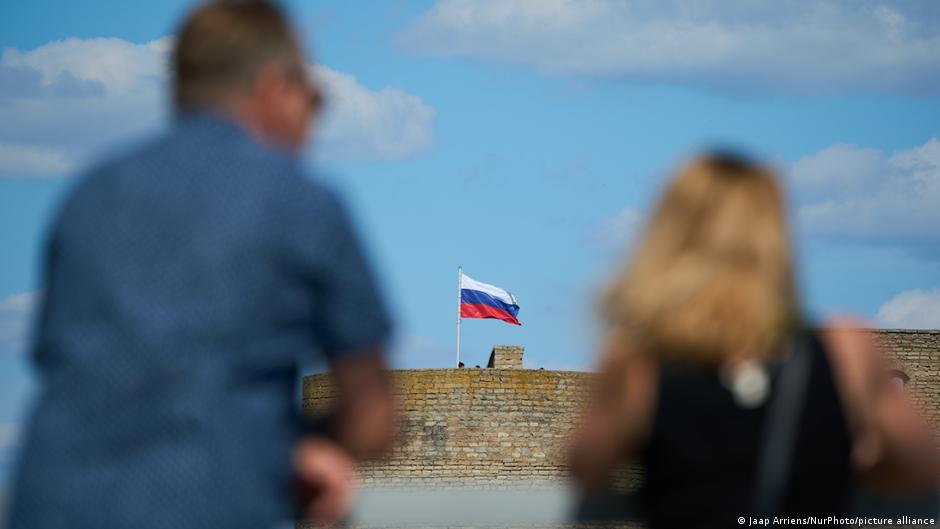
Social-media posts pushing Narva to join Russia have stirred alarm in Brussels and Tallinn. On the ground, city officials and residents say the secession talk is provocation — daily life, EU ties and a weak local economy point the other way.
Rumors and social-media campaigns urging Narva, an Estonian city on the Russian border, to break away and form a “People’s Republic” have circulated online. Estonian intelligence calls the posts provocative, but local politicians, journalists and most residents dismiss them as nonsense.
Narva’s population of about 52,000 is heavily Russian-speaking: only roughly 2% use Estonian at home and about a third hold Russian passports. The city sits opposite Ivangorod across the Narva river, and people still cross the border on foot for shopping or family visits. Vehicle traffic over the bridge is currently barred by Russian authorities while it undergoes maintenance until the end of the year.
At the same time, Narva has deep ties to the EU. Last September the city opened Europe’s largest rare-earth magnet factory, financed by the EU and intended to supply magnets for electric vehicles, wind turbines and electronics. Mayor Katri Raik says residents worry about their city’s image and have little appetite for inventing separatist stories.
Local journalists and officials describe frustration and economic decline as the main issues driving people away from Narva, not a desire to rejoin Russia. Russian interest in the city remains: President Vladimir Putin referenced Narva in 2022 when speaking about historical territory, and annual May 9 festivities in Ivangorod — featuring Soviet symbols banned in Estonia — are staged so they are visible from Narva. Still, most locals interviewed reject the idea of leaving Estonia, while city authorities acknowledge only a small minority with more radical views.
Source: World | Deutsche Welle
Comments
Post a Comment